How to Store Mimosa Hostilis Root Bark
Keep it dry, keep it sealed, and make the next batch easy to identify.
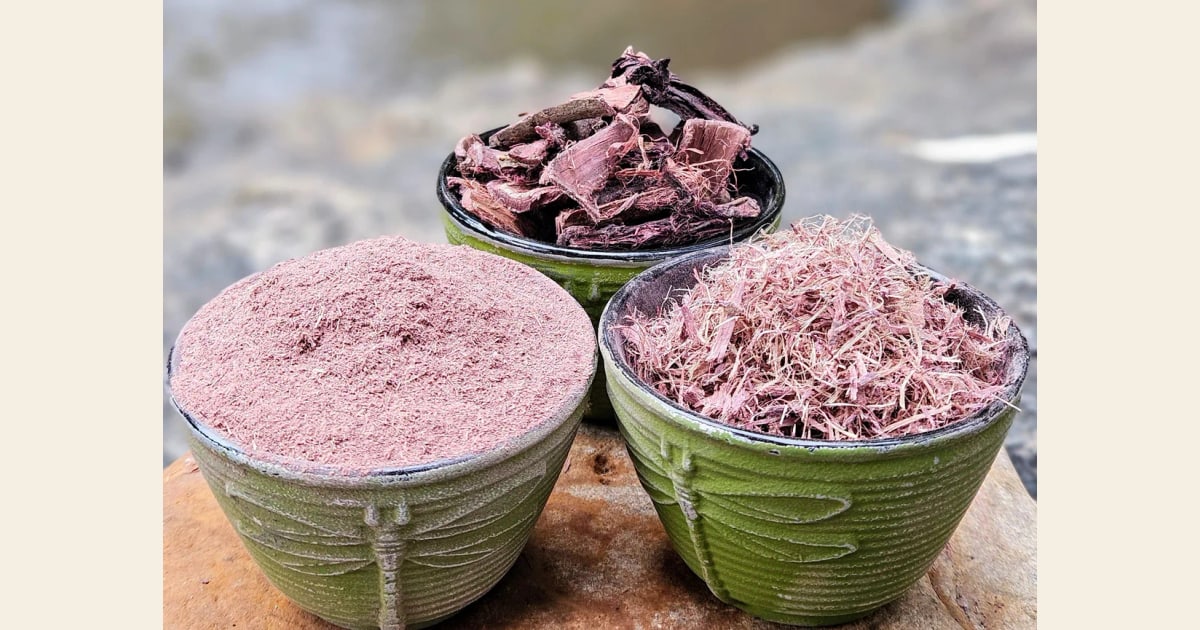
Good storage starts with a simple setup: a clean, dry container that closes securely, kept in a cool, dark, dry place. This guide is about dried Mimosa hostilis inner root bark used in craft projects—not wet bark or a prepared dye bath.
Choose a clean, dry container with a secure closure
Use a clean, completely dry jar or a suitable resealable storage container. If you keep the bark in its original resealable package, check that the closure is intact and close it fully after each use. Do not reuse containers that held cleaning products or other chemicals. A clear jar belongs inside a dark cupboard rather than on a sunny shelf.
Pick a cupboard away from heat, steam, and sunlight
Choose a cool, dry indoor location away from direct sunlight and sources of steam, such as a kettle, sink, or working dye pot. Keep the container off a damp floor and away from places where leaks or splashes are likely. A convenient storage spot should let you take out what you need without leaving the full supply open beside a wet work area.
Use the same storage basics for powder, shredded bark, and chips
All three forms need protection from moisture. Use a clean, dry scoop for powder and close the container promptly. Give shredded bark and chips enough room that you can remove a portion and reseal the container without spilling material into the closure. The form affects handling; it is not, by itself, a reason to promise a particular storage life. If you are still choosing a form, see our MHRB buying guide comparing powder, shredded bark, and chips.
Divide bulk purchases into smaller portions
Keep a small working portion separate from the main supply so you do not have to open everything for each project. Use dry containers and label each portion with the bark form, date received, and any batch information supplied with the order. Keep different batches separate when possible; that makes it easier to track storage history and compare craft results. Use older material first only when its condition is sound.
Check for moisture or deterioration before use
Look for condensation, unexpected wet clumps, visible fuzzy growth, or a strongly musty smell. If you find possible mold or moisture damage, keep the affected material separate and contact the supplier. Do not mix it into sound bark or assume that heating it in a dye bath will resolve the problem. Our quality guide has a fuller arrival-and-condition checklist.
How long does dried root bark keep?
This guide does not assign a fixed number of months or years to Mimosa hostilis root bark. Follow any supplier-specific storage instructions or use-by date; this guide does not extend them. A receipt date alone cannot tell you how dry the material has stayed or how it has been handled. Even recently purchased material needs a condition check. For dry bark in sound condition and within any supplier instructions, a small measured dye test can help you judge its usefulness for your next textile project.
Test craft performance, not just the calendar
Before committing a full dye project, test a small amount on the same type of prepared fiber you plan to use. Record the bark weight and form, water, preparation, time, and temperature so the result is useful for comparison. A dye test assesses performance under those conditions; it does not establish botanical identity, purity, or safety.
A quick storage checklist
Start with dry bark and a clean, dry container. Close it securely, keep it in a cool, dark, dry cupboard, label the form and date, and use a separate working portion for bulk supplies. Check the material's condition before each project. For questions about a Violet Dye Co order, contact us.
Storage references and their limits
The National Center for Home Food Preservation at the University of Georgia recommends airtight containers and cool, dry, dark storage for dried herbs. WHO's good herbal processing guidelines, sections 5.2–5.4, support clean, dry packaging, protection from moisture, light, heat, and pests, batch identification, and separation of rejected material. These are general handling references from food-preservation and herbal-processing contexts, not Mimosa hostilis shelf-life studies. We apply those storage principles here to dried craft material; the sources do not establish a root-bark expiration date, a dye-performance guarantee, or food or medicinal use.
More buying questions?
Find short answers on forms, sizes, sourcing, and ordering in the buyer FAQ.
Ready to choose a form? Shop powder, shredded bark, and chips.