Tepezcohuite in Mexico: What the Records Tell Us
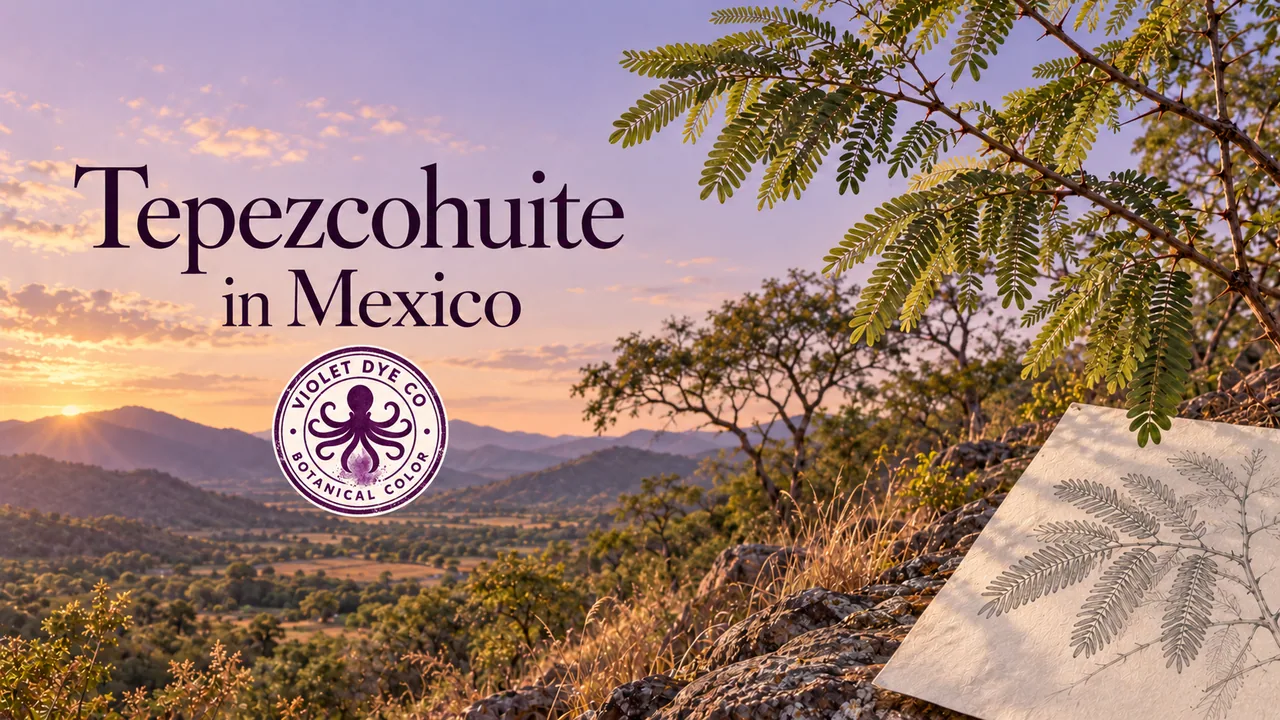
Tepezcohuite, also spelled tepescohuite, is a Mexican common name associated with Mimosa tenuiflora, the tree also known as Mimosa hostilis. If you discovered it through natural dyeing, you may have encountered several accounts of its history before finding much information about where those accounts came from.
We’ve explored its names in The Many Names of a Root. Here, we’re looking more closely at the Mexican records and what they can tell someone working with the bark today.
The botanical identity is a useful starting point. Kew’s Plants of the World Online accepts Mimosa tenuiflora and lists Mimosa hostilis as a synonym. The species is native to a wider region extending beyond Mexico into Central and South America. Its Mexican history belongs to particular places and communities within that range.
What the Mexican research records
In 2000, botanist Sara Lucía Camargo-Ricalde published a study of Mimosa tenuiflora in Mexico. Her five-year investigation combined fieldwork in Oaxaca and Chiapas, interviews with local residents, market visits, and a review of historical and scientific sources.
The paper records the tree’s wood being used for fuel and fencing. It also connects increased public attention to disasters and media coverage during the 1980s, alongside the growing commercialization of bark products. These accounts describe the plant’s rising profile; they do not, by themselves, establish whether particular treatments were effective.
For a craft business, those everyday uses are worth pausing over. Our interest usually begins with something we want to make. Looking into the material’s history introduces other people’s reasons for valuing the same tree.
What the sources establish—and what they leave open
Camargo-Ricalde’s historical review included the Badianus Manuscript, the Florentine Codex, and Francisco Hernández’s writings. She reported finding no references establishing pre-Hispanic medicinal use of tepezcohuite.
That is a finding from a particular review, published in 2000. It leaves that earlier use unconfirmed rather than proving that it never happened.
The material itself also matters. The anatomical specimens in her investigation came from the main trunk, so those observations should not automatically be applied to inner root bark. When following a reference, it helps to identify the place, period, plant part, and practice being described. A general mention of “bark” may not answer all four questions.
Where natural dyeing fits
A more recent piece of evidence comes from textile research. In a study published online in 2011 and included in a 2014 journal issue, Gökhan Erkan, Kemal Şengül, and Sibel Kaya tested an extract they identified as Mimosa tenuiflora on white cotton and indigo-dyed cotton.
They compared mordant treatments and measured color, along with resistance to washing, rubbing, and light. The results varied with the treatment. This documents a textile application under specified experimental conditions, but an extract-based experiment cannot predict the result of every home dye bath made from raw inner root bark.
The sources reviewed for this article do not establish when Mexican dyers first used tepezcohuite, or document an ancient Mexican tradition of producing purple from its inner root bark. The textile experiment adds evidence of a modern application, not an answer to that historical question.
Working with the bark today
For Violet Dye Co, the history is a reason to pay closer attention to the material—not a substitute for working with it. We can identify the bark we use, record our preparation, photograph our results, and share enough about the process for another maker to understand what happened.
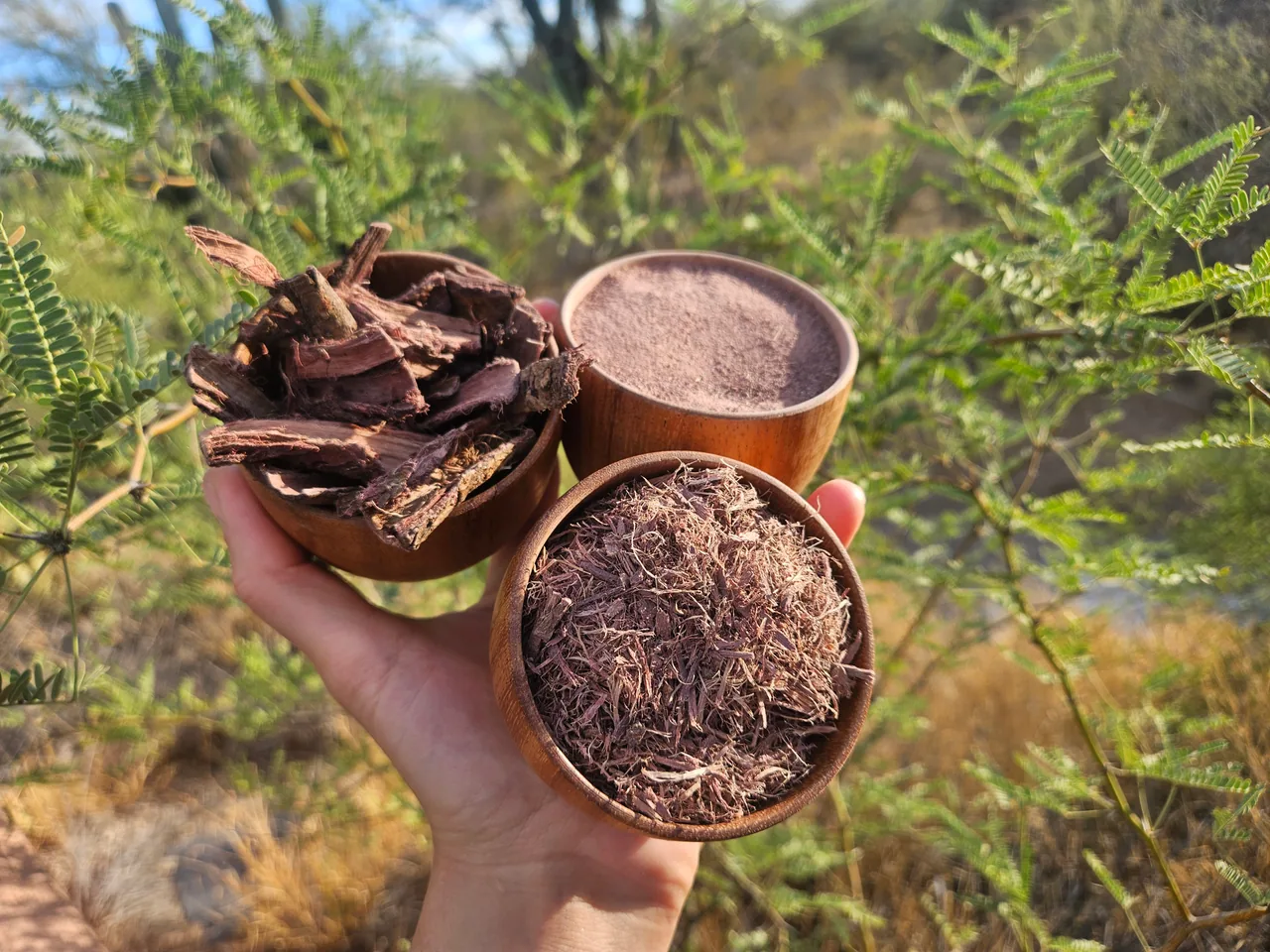
If you’re beginning your own project, our guide to dyeing fabric with Mimosa hostilis introduces the process. Our root bark quality guide also explains what to look for when buying and how to run a small dye-yield test when your order arrives.
Ready to begin a dye project? Explore our Mimosa Hostilis inner root bark in chips, shredded, and powder form.
Keep a labeled swatch from that first batch. When you return to the material, you’ll have your own record to work from.